Essential Property Maintenance Checklist for Commercial Buildings
A commercial building is more than walls, floors, and equipment. It is a working environment that needs to remain safe, comfortable, functional, and presentable every day. From HVAC systems and plumbing to roofs, electrical equipment, entrances, and common areas, even a small maintenance issue can become expensive if ignored.
A structured commercial property maintenance plan helps property owners and managers identify problems before they disrupt operations. It also makes it easier to budget for repairs, protect building assets, and maintain a good experience for employees, tenants, customers, and visitors.
This guide explains the essential areas to include in a practical commercial building maintenance checklist and how to build a year-round maintenance routine.
Why Commercial Building Maintenance Matters
Maintenance should not only happen when something breaks. Waiting for a major failure can lead to emergency repair costs, operational disruption, and potentially greater damage.
Regular maintenance services help identify early warning signs. A small roof leak, for example, may be relatively straightforward to address when discovered early. If ignored, it could damage ceilings, insulation, walls, electrical components, or interior finishes.
Planned maintenance can also extend the useful life of equipment and building components. HVAC units, plumbing systems, electrical equipment, doors, roofing materials, and other assets require regular attention to perform properly.
A good maintenance program therefore combines routine inspections, preventive servicing, timely repairs, documentation, and longer-term replacement planning.
Essential Commercial Property Maintenance Checklist
Every building is different. A warehouse will have different requirements from an office, retail property, medical facility, or multi-tenant building. However, several maintenance areas are relevant to almost every commercial property.
1. Inspect the Building Exterior
Start with everything that protects the building from external conditions.
Inspect walls, windows, doors, roofs, gutters, drainage areas, signs, and other exterior elements for visible damage or deterioration.
Look for:
- Cracks in walls or masonry
- Damaged or broken windows
- Water stains or signs of leaks
- Deteriorating sealants
- Loose exterior materials
- Blocked gutters and drains
- Damaged exterior lighting
- Problems with entrances and doors
Inspect the building exterior after severe weather. Strong winds, heavy rain, storms, or extreme temperatures can expose problems that may not have been visible during routine inspections.
2. Maintain HVAC Systems
Heating, ventilation, and air conditioning systems are essential for indoor comfort and air quality.
A property maintenance routine should include checking filters, thermostats, vents, ducts, condensers, electrical connections, and other components according to the equipment manufacturer's recommendations.
Poorly maintained HVAC equipment may operate inefficiently or fail unexpectedly. Regular servicing can help identify unusual noises, poor airflow, temperature inconsistencies, leaks, or other warning signs before they become bigger problems.
3. Check Plumbing and Water Systems
Plumbing problems can quickly disrupt a commercial building.
Inspect visible pipes, taps, valves, toilets, sinks, water heaters, pumps, and drainage systems. Look for leaks, corrosion, unusual smells, low water pressure, slow drains, or water stains.
Do not ignore small leaks. Even a minor leak can contribute to water damage, mould growth, or higher utility costs if it continues for an extended period.
Where applicable, water systems should also receive professional inspections and servicing based on equipment requirements and relevant regulations.
4. Inspect Electrical Systems
Electrical maintenance is an important safety consideration.
Routine inspections should look for damaged outlets, switches, lighting fixtures, cables, panels, and other visible components. Test emergency lighting and backup power systems according to their required schedules.
Appropriately qualified professionals should handle electrical work. Property managers should not treat complex electrical repairs as DIY tasks.
Keep records of inspections, repairs, replacements, and servicing. This documentation can be useful when planning future work or investigating recurring problems.
5. Review Fire and Life Safety Equipment
Fire protection systems require consistent attention.
Depending on the property, this may include fire alarms, extinguishers, sprinkler systems, emergency lighting, fire doors, exit signs, and other life safety equipment.
Make sure exits remain accessible and clearly marked. Fire doors should not be obstructed or improperly propped open.
Testing and inspection frequencies vary by equipment and local requirements. Property owners should follow applicable regulations and manufacturer guidance and use qualified professionals where required.
6. Inspect Roofs and Drainage
The roof protects the entire building, making it one of the most important areas on a maintenance schedule.
Inspect roofing materials for cracks, punctures, damaged flashing, standing water, loose materials, and other signs of deterioration.
Keep gutters, downpipes, drains, and other drainage components clear. Blockages can prevent water from leaving the roof properly and increase the risk of leaks.
Consider additional inspections after significant storms or extreme weather.
7. Maintain Interior Spaces
The condition of interior areas affects both building usability and occupant experience.
Check walls, ceilings, floors, doors, windows, stairways, handrails, lighting, fixtures, and common areas.
Routine tasks may include:
- Replacing damaged flooring
- Touching up paint
- Repairing damaged ceilings
- Replacing faulty lights
- Checking doors and locks
- Cleaning vents and accessible areas
- Repairing damaged fixtures
A clean and well-maintained interior also helps create a professional impression for customers, tenants, and visitors.
8. Inspect Parking Areas and Grounds
External areas should not be forgotten.
Inspect parking lots, driveways, walkways, landscaping, fencing, gates, drainage, and outdoor lighting.
Look for potholes, cracks, trip hazards, damaged curbs, standing water, overgrown vegetation, and broken lights.
Manage trees and landscaping appropriately so they do not interfere with building structures, electrical equipment, drainage systems, entrances, or pedestrian routes.
9. Check Security Systems
Commercial properties often depend on several systems to protect people and assets.
Depending on the building, inspect CCTV cameras, access control systems, alarms, gates, locks, intercoms, and security lighting.
Test these systems periodically rather than assuming they will work when needed.
Keep software, access permissions, batteries, and other relevant components updated where applicable.
10. Keep Maintenance Records Updated
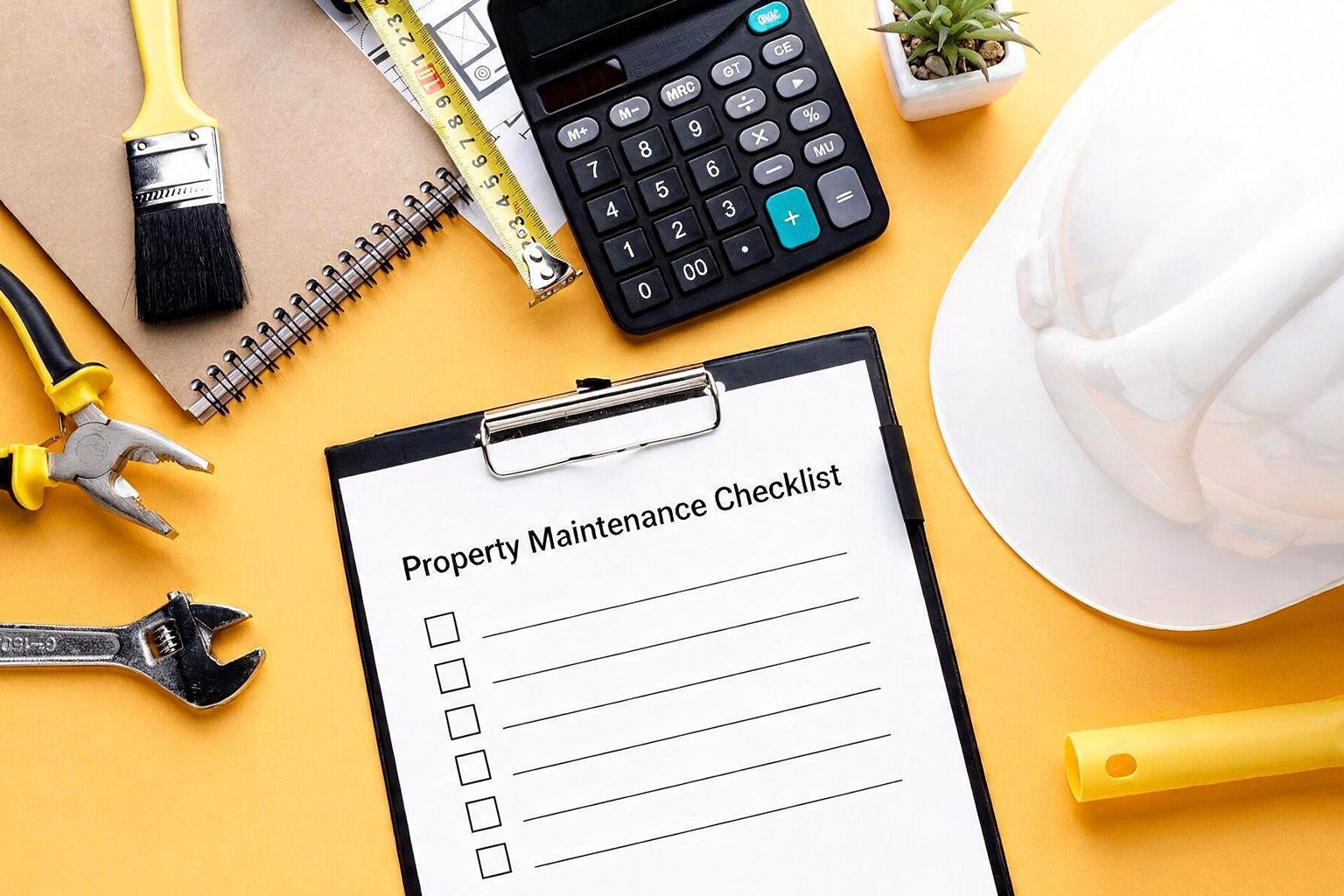
A maintenance checklist becomes much more useful when you document completed tasks.
Record the date of each inspection, the condition identified, work completed, contractor details, parts replaced, and recommended follow-up.
These records help property managers identify recurring issues and understand which assets are approaching the end of their useful life.
They can also support budgeting. Instead of reacting to unexpected failures, owners can plan major replacements and upgrades in advance.
Best Practices for Managing Building Maintenance
A useful commercial building maintenance checklist should be practical, not unnecessarily complicated.
Start by creating an asset inventory. List major equipment and building systems, then identify the required inspection and service frequency for each item.
Next, prioritize critical systems. HVAC, electrical, plumbing, fire protection, security, and structural elements may require greater attention because their failure can have serious consequences.
Use clear responsibilities. Everyone involved should know who performs an inspection, who approves repairs, and who follows up on outstanding issues.
Finally, review your maintenance records regularly. Look for repeated failures, rising repair costs, aging equipment, and areas where preventive work could reduce future problems.
Conclusion: Protect Your Commercial Property With Proactive Maintenance
A commercial building requires ongoing attention to remain safe, functional, attractive, and valuable. Regular inspections of the exterior, HVAC, plumbing, electrical systems, roof, fire safety equipment, interior spaces, grounds, and security systems can help identify issues before they become costly disruptions.
For property owners and businesses in South Florida, Sunshine Property Group offers integrated property solutions covering construction, refurbishment, maintenance, and real estate services. We work with property owners, investors, developers, and businesses throughout Florida, providing a single point of support across the property lifecycle.
Our maintenance services are designed to support property value through routine servicing, preventive maintenance, and responsive repairs. If you need reliable support to maintain, improve, or manage a commercial property, contact Sunshine Property Group today to discuss your requirements.
FAQs
What should be included in a commercial property maintenance plan?
It should cover building systems, exterior areas, interior spaces, safety equipment, grounds, inspections, repairs, servicing schedules, and maintenance records.
How can property owners reduce unexpected maintenance costs?
Regular inspections and preventive servicing can identify developing problems early and allow owners to plan repairs before they become expensive emergencies.
Who is responsible for commercial building maintenance?
Responsibility depends on the property arrangement. Owners, property managers, tenants, and specialist contractors may each have specific maintenance responsibilities.
Should commercial properties be inspected after severe weather?
Yes. Storms, heavy rainfall, high winds, and other severe weather can damage roofs, drainage systems, exterior surfaces, landscaping, and equipment.
Why are maintenance records important for commercial properties?
Records show what was inspected, repaired, or replaced. They also help identify recurring problems, plan future expenditures, and track the condition of important assets.
Disclaimer: The information on this website and blog is for general informational purposes only and is not professional advice. We make no guarantees of accuracy or completeness. We disclaim all liability for errors, omissions, or reliance on this content. Always consult a qualified professional for specific guidance.
Search
Recent Posts